

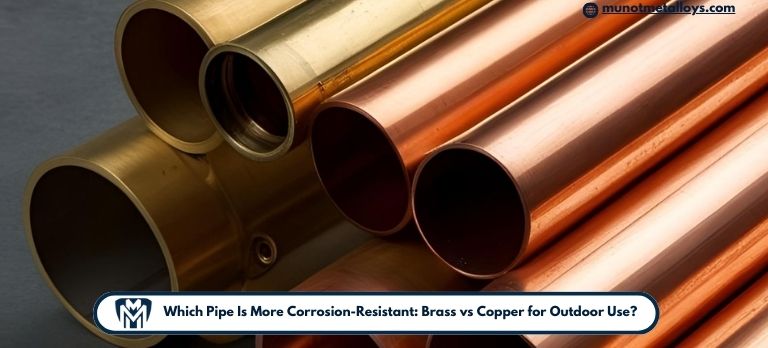
When it comes to outdoor plumbing systems, the material of your pipes plays a crucial role in determining their lifespan and overall performance. Exposure to harsh environmental conditions, such as moisture, UV rays, and varying temperatures, can lead to significant wear and tear on your pipes. Therefore, corrosion resistance becomes a key factor in choosing the right material for outdoor use.
Two of the most commonly used materials for plumbing systems are brass and copper. Both have their advantages, but which one is more corrosion-resistant for outdoor applications? In this blog, we’ll compare brass and copper pipes based on their corrosion resistance and help you decide which one is best suited for your outdoor needs.
Understanding Corrosion in Pipes
Corrosion occurs when a material reacts with environmental elements like water, oxygen, and salts, causing a deterioration of its surface. In outdoor plumbing, pipes are constantly exposed to moisture, soil, UV rays, and other environmental factors that can accelerate corrosion.
The process of corrosion can lead to weakened pipes, leaks, and even system failures. To prevent these issues, it’s crucial to choose a material that offers superior corrosion resistance for the specific outdoor environment.
Brass Pipes and Corrosion Resistance
Brass Pipes is an alloy made primarily of copper and zinc, with small amounts of other metals like lead or tin. Brass pipes have a natural ability to resist corrosion, thanks to their alloyed properties. The zinc in brass creates a protective layer that shields the pipe from the corrosive effects of water, air, and other external elements.
One of the key advantages of brass is its excellent resistance to rust and corrosion in water. Brass forms a protective oxide layer that prevents further corrosion and keeps the pipe’s integrity intact, even when exposed to harsh elements.
In outdoor applications, brass pipes are often used in plumbing, irrigation systems, and HVAC systems. They perform well in both freshwater and saltwater environments, making them ideal for coastal areas. Brass pipes are particularly effective in areas where exposure to water, humidity, or damp soil is frequent.
Copper Pipes and Corrosion Resistance
Copper Pipes is a naturally occurring metal known for its excellent corrosion resistance. Copper pipes develop a protective patina over time, a greenish-blue layer of copper oxide that shields the pipe from further corrosion. This layer not only enhances the pipe’s resistance to rust but also gives copper pipes their signature look, which can be aesthetically appealing in certain outdoor settings.
Copper pipes are widely used in outdoor water supply lines, gas systems, and irrigation systems. Copper’s ability to withstand corrosion from water and air makes it a popular choice for residential and commercial outdoor plumbing.
However, copper pipes can have limitations in acidic or alkaline soil conditions. Over time, copper may corrode if exposed to certain types of water or soil, particularly in areas with highly acidic soils or saltwater. Additionally, copper pipes may develop pinhole leaks due to corrosion caused by the water chemistry.
Brass vs Copper – A Corrosion Resistance Comparison
When comparing brass and copper pipes for outdoor use, several factors must be taken into consideration:
1. Environmental Factors
-
Brass: Brass pipes excel in environments with high moisture levels, including both freshwater and saltwater settings. Their ability to resist corrosion in these conditions makes them ideal for coastal areas or environments with humid weather.
-
Copper: While copper is highly resistant to corrosion in most conditions, it can be more susceptible to damage in acidic soils or saltwater. The patina layer can protect the pipe, but in highly acidic environments, it may break down faster than brass.
2. Corrosion Resistance Over Time
-
Brass: Brass pipes have a durable protective layer that resists wear and tear, particularly in wet or humid conditions. Brass typically outlasts copper in areas prone to soil acidity or salt exposure.
-
Copper: Copper forms a protective oxide layer (patina), but it can wear down more quickly in extreme conditions. It is more vulnerable to pinhole leaks over time, especially if the water is very acidic or the pipes are exposed to harsh weather conditions.
3. Cost and Durability
-
Brass: Brass pipes tend to be slightly more expensive than copper due to their composition, but they offer long-term durability and minimal maintenance. They are better suited for outdoor plumbing projects that require corrosion resistance in harsh environments.
-
Copper: Copper pipes are also durable and reliable, but they may require more frequent maintenance if used in areas with acidic soils or salty water. They may also cost more upfront than brass pipes, especially in coastal regions.
4. Aesthetic Considerations
-
Brass: Brass pipes develop a patina over time, but they tend to retain their golden hue longer than copper. This aesthetic quality can be beneficial in visible installations where appearance matters.
-
Copper: Copper pipes develop a distinctive greenish-blue patina that can add a rustic look to outdoor plumbing systems. This appearance is often preferred in certain design and architectural projects.
Choosing the Right Pipe for Outdoor Use
When selecting the right pipe for outdoor plumbing, it’s important to consider the specific environmental conditions of the area. Here’s a quick guide to help you choose:
-
Brass Pipes: Best for coastal regions, areas with acidic soils, and environments with high humidity or frequent water exposure. Brass is an excellent choice for outdoor applications like irrigation systems and water supply lines in areas where corrosion resistance is paramount.
-
Copper Pipes: Ideal for dry, temperate climates where corrosion due to saltwater or acidic soils is minimal. Copper is also a great option for aesthetic installations where the patina can complement the surrounding environment.
Conclusion
Both brass and copper pipes offer excellent corrosion resistance for outdoor applications, but the material that is best for your project depends on the environmental conditions. If you live in a coastal area or deal with acidic soils, brass pipes are your best option due to their superior resistance to saltwater and corrosion. On the other hand, if you’re in a more temperate region and value the patina aesthetic, copper pipes are an excellent choice.
Regardless of which material you choose, both brass and copper offer long-lasting durability when installed properly, making them reliable options for outdoor plumbing projects.
